Young Scholars from Around the World Convene for 'The Responsibility of Knowing'

Young Scholars from Around the World Convene for "The Responsibility of Knowing"
Young Scholars from Around the World Convene for "The Responsibility of Knowing"
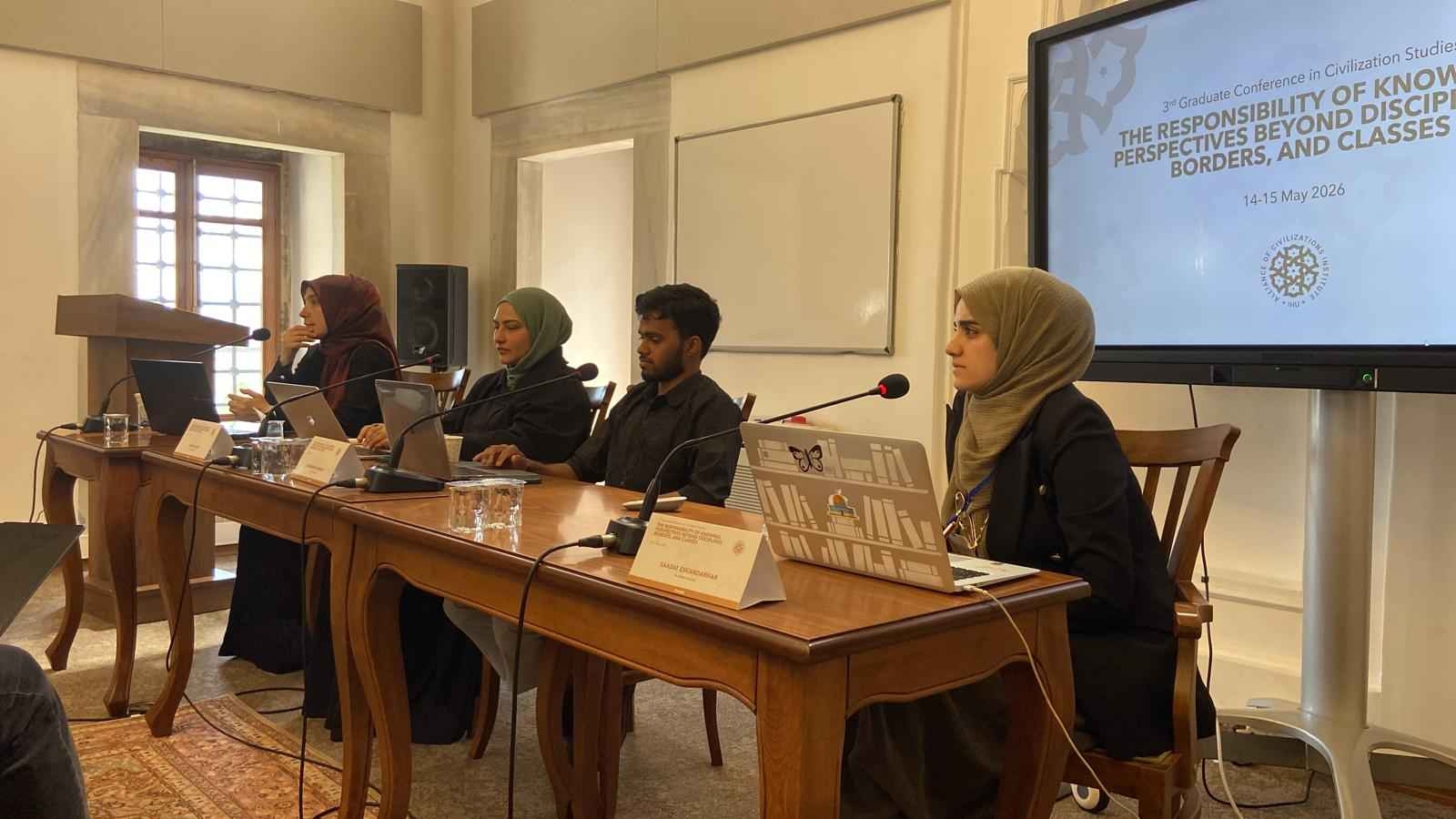
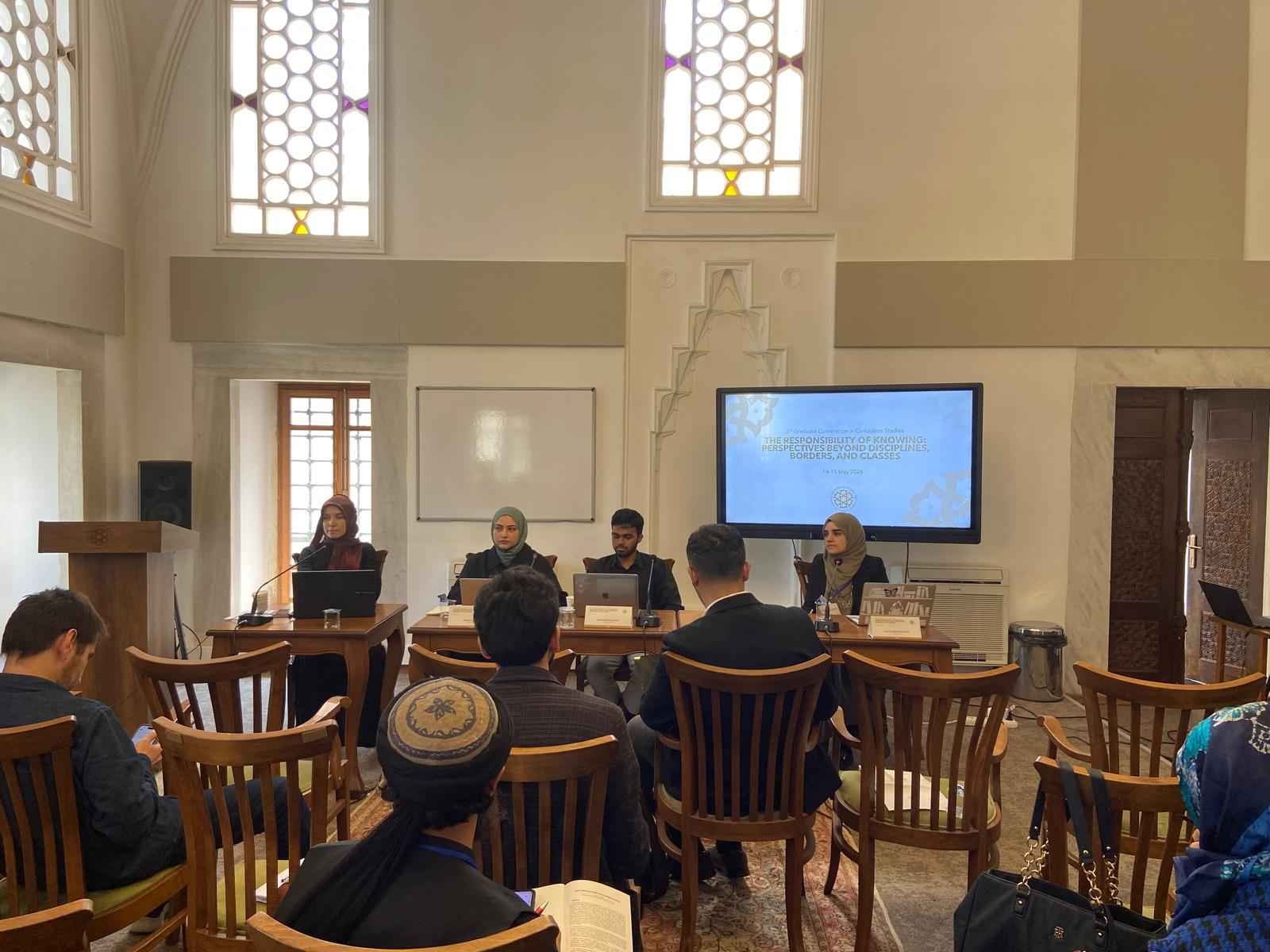
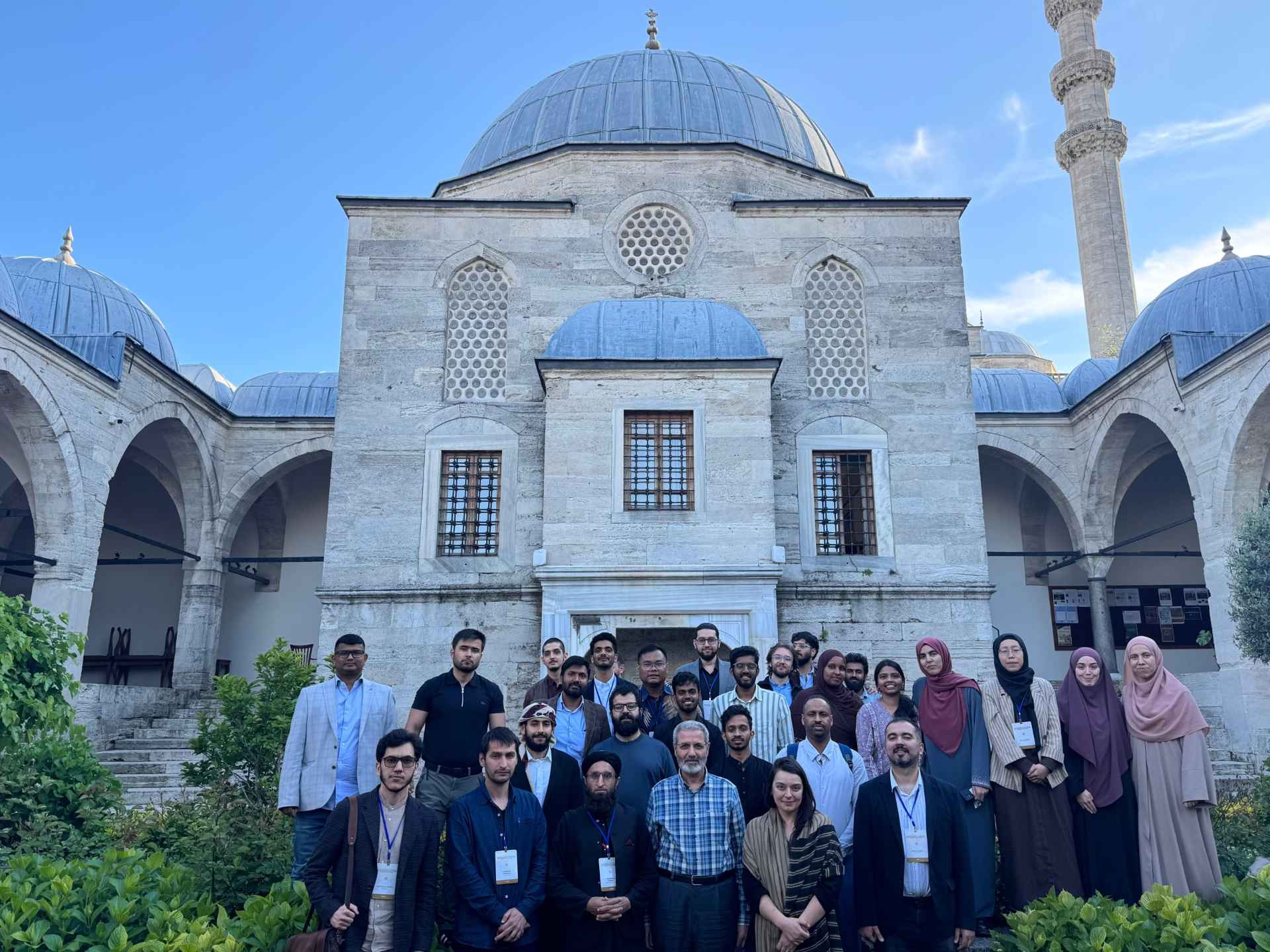
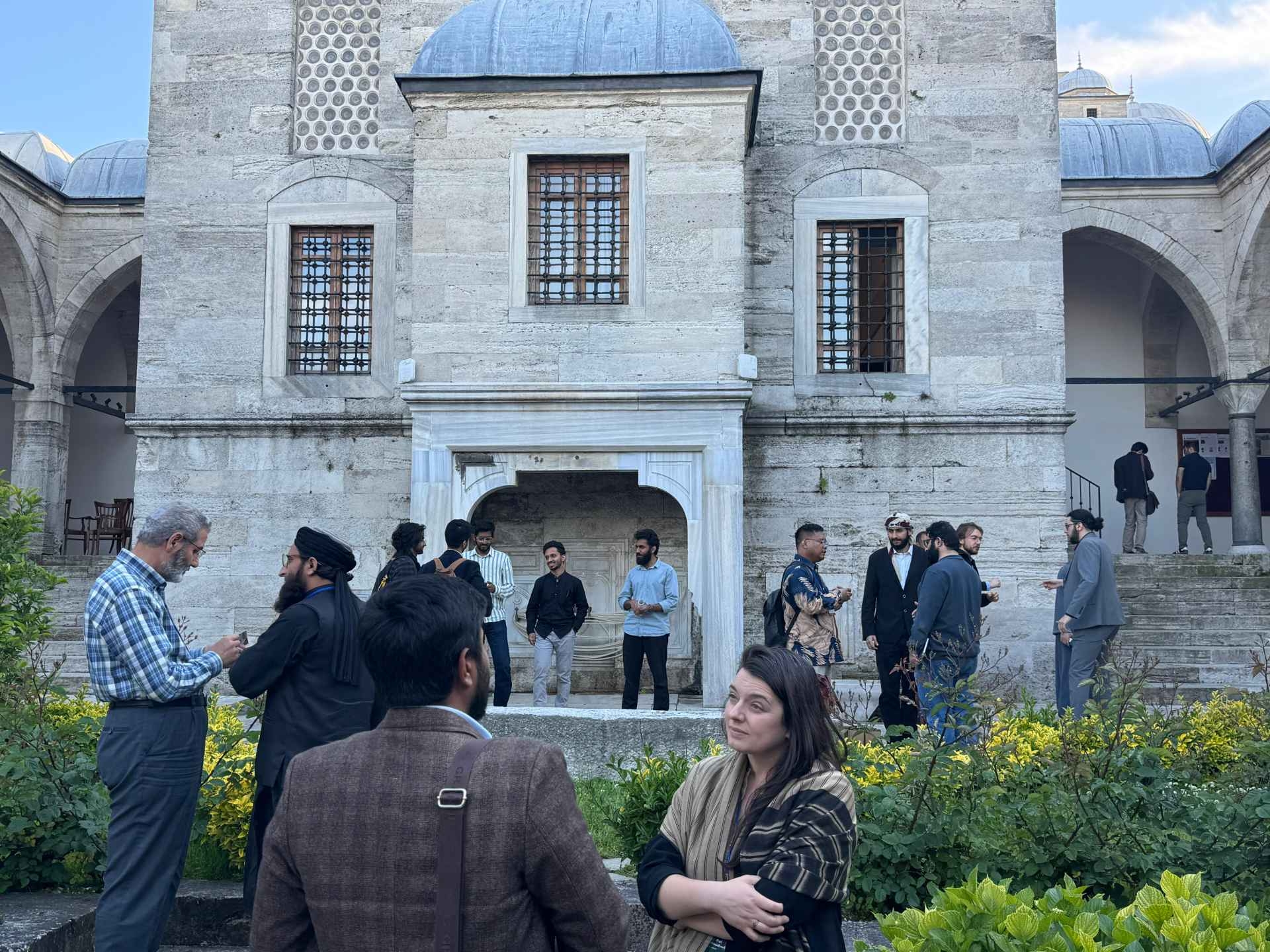
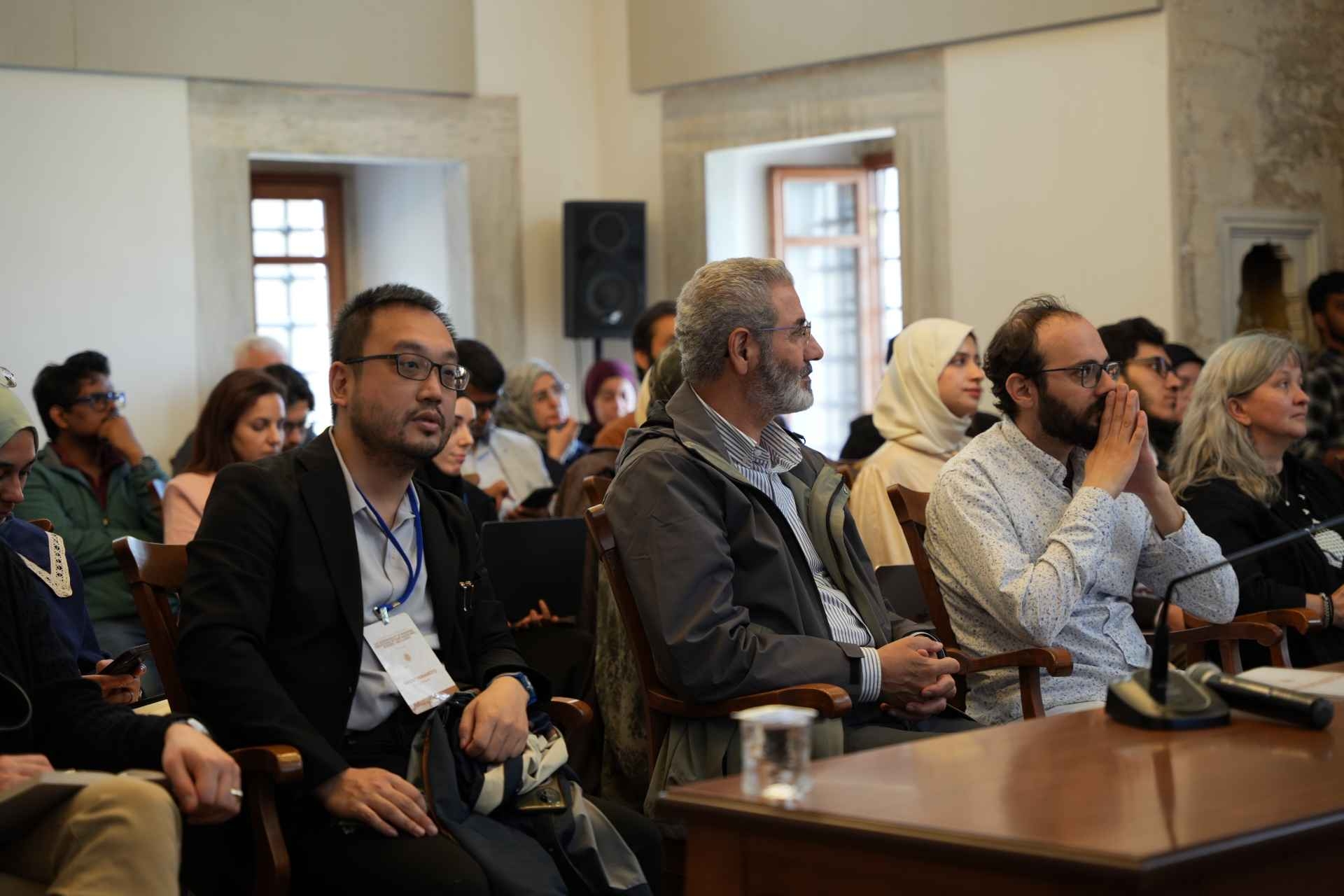
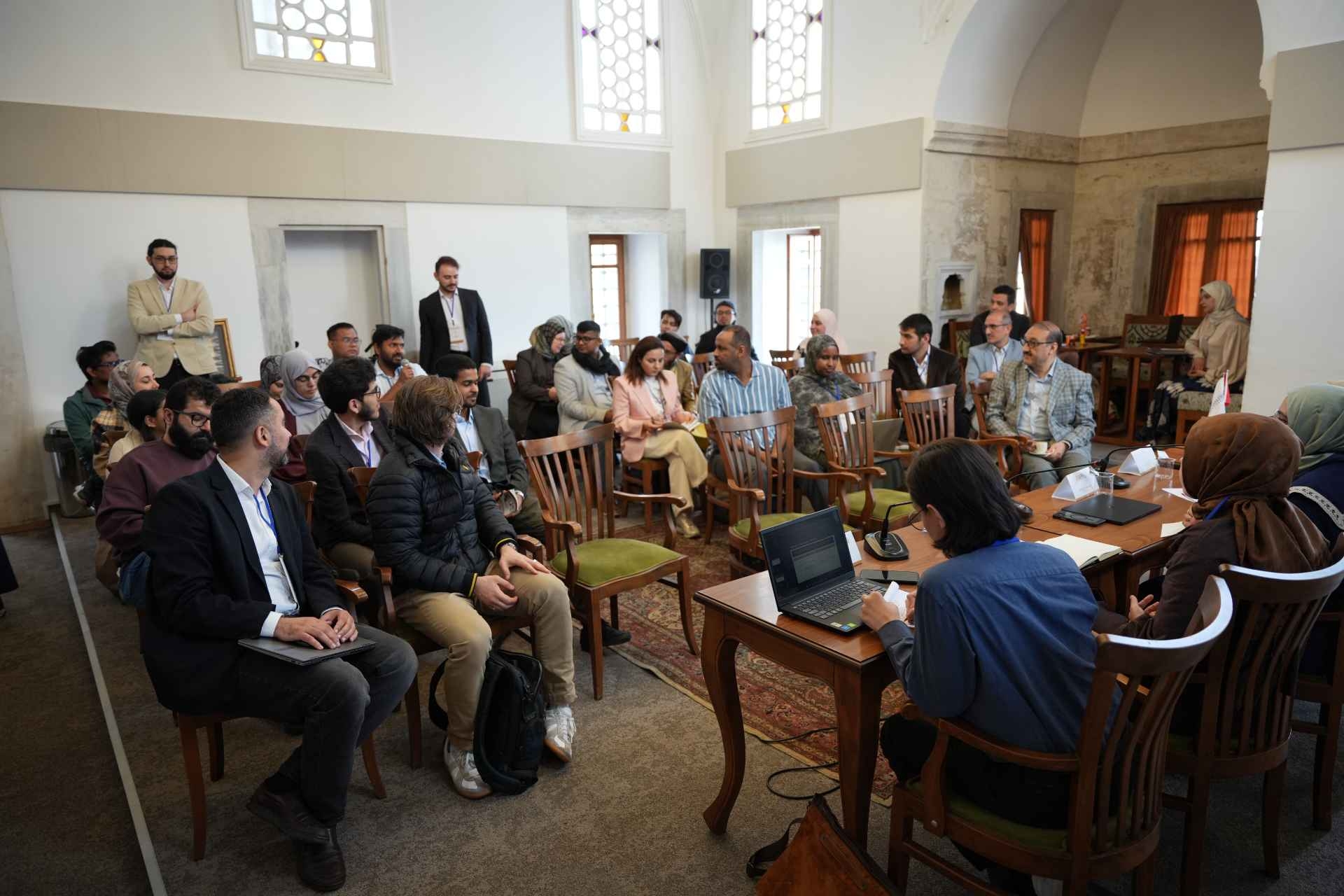
The Alliance of Civilizations Institute at Ibn Haldun University hosted the 3rd Graduate Conference in Civilization Studies, titled "The Responsibility of Knowing: Perspectives Beyond Disciplines, Borders, and Classes," on 14–15 May 2026 at the historic Süleymaniye Salis Madrasa in Istanbul.
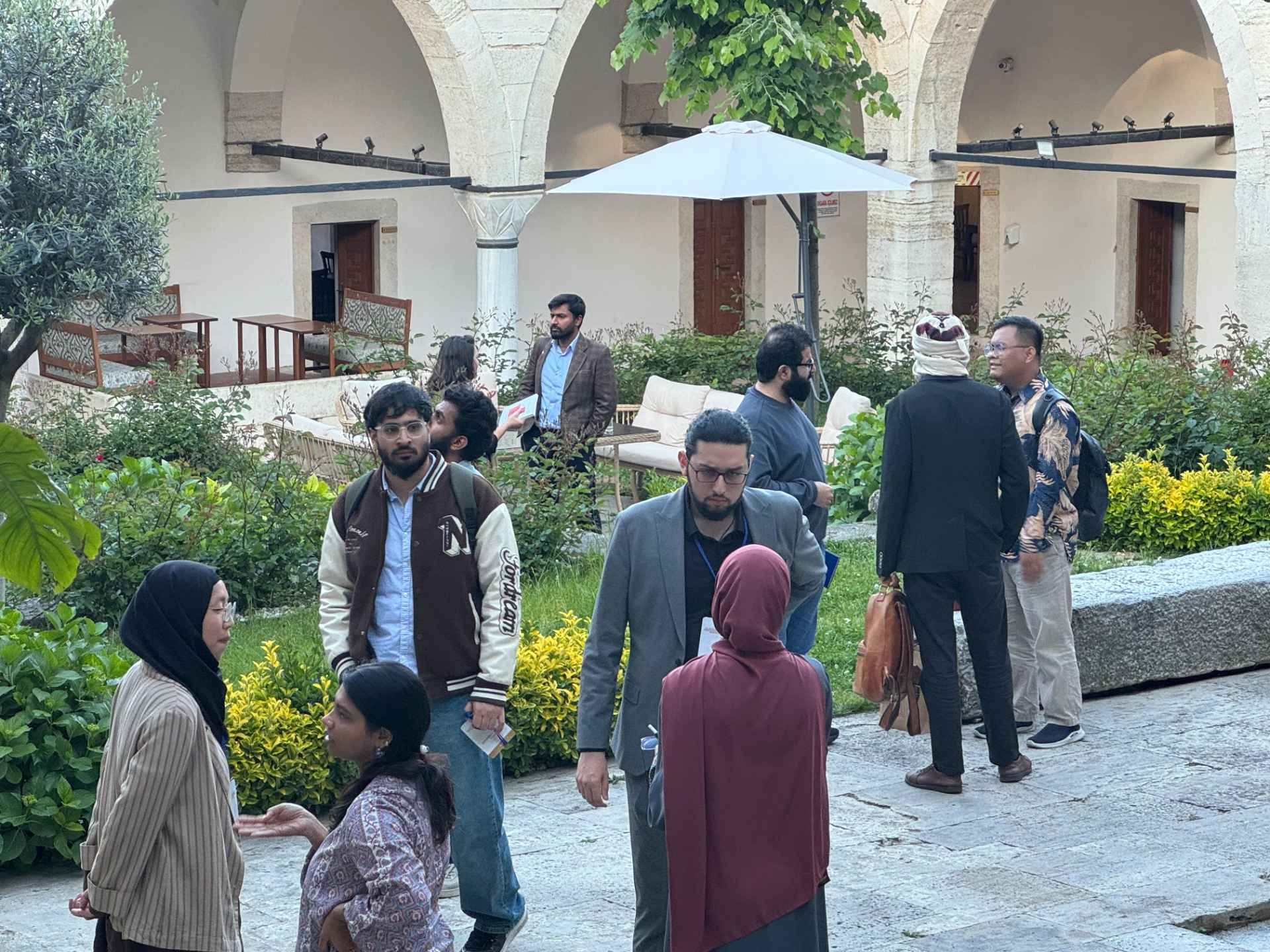
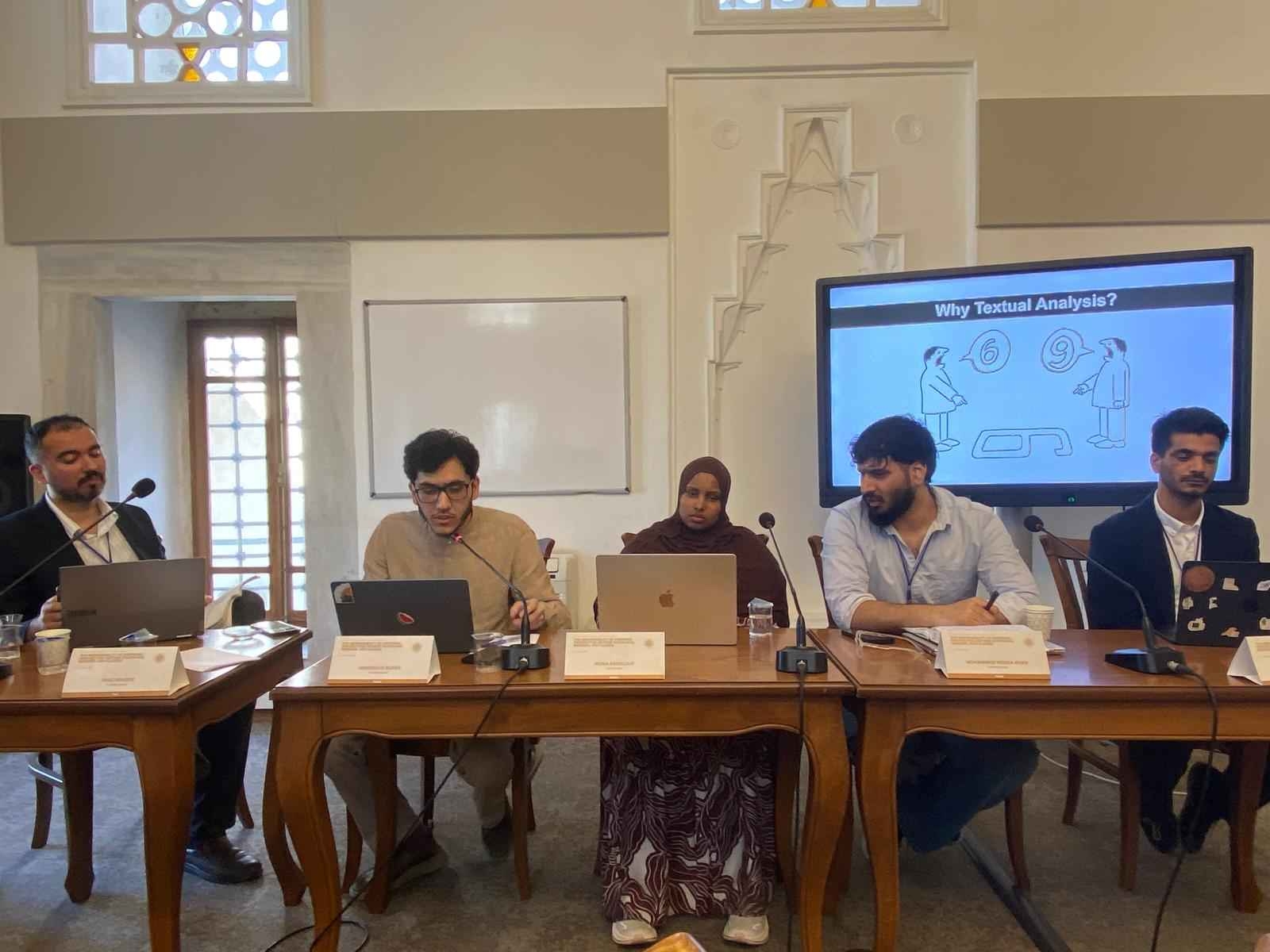
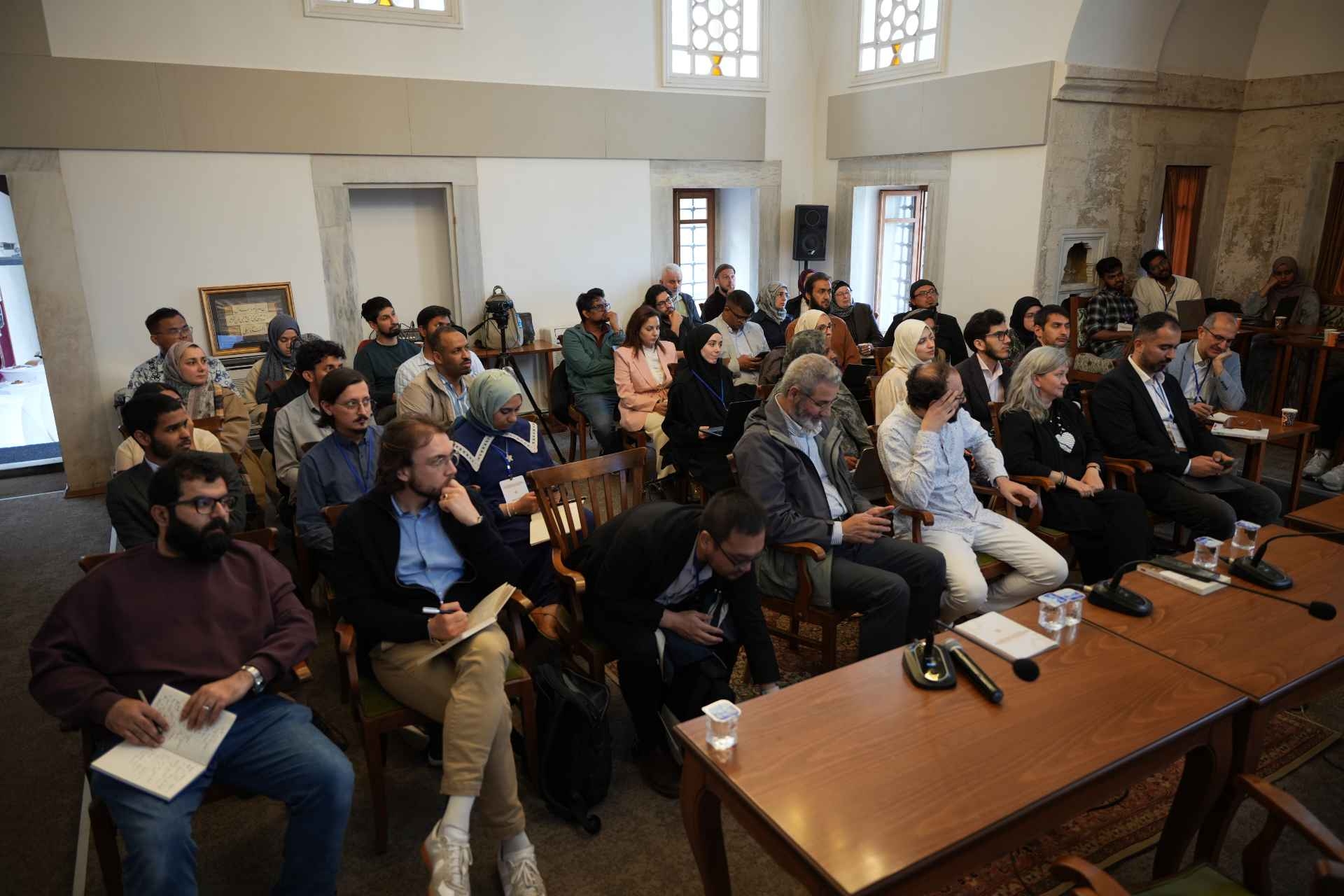
Organized by the faculty and graduate students of the institute, this year's gathering brought together 30 graduate student presentations (17 doctoral and 13 master's students) over two days of panels exploring what it means to know responsibly across disciplines, borders, and social classes.
The participants represented thirteen universities from ten countries, reflecting the conference's international scope:
- Türkiye: Ibn Haldun University (host), Istanbul University, Sakarya University, and Koç University
- Germany: Humboldt University of Berlin
- United Kingdom: University of Oxford
- India: University of Hyderabad
- Malaysia: International Islamic University Malaysia
- Qatar: Doha Institute for Graduate Studies
- Portugal: University of Coimbra
- United States: University of California, Los Angeles (UCLA)
- Spain: Universidad Autónoma de Madrid
- Finland: University of Turku
Across eight panels, presenters engaged a wide range of themes, from knowledge and authority in contemporary Muslim thought and the transformation of epistemic responsibility in the digital age, to the decolonization of knowledge and the rethinking of classical Islamic disciplines.
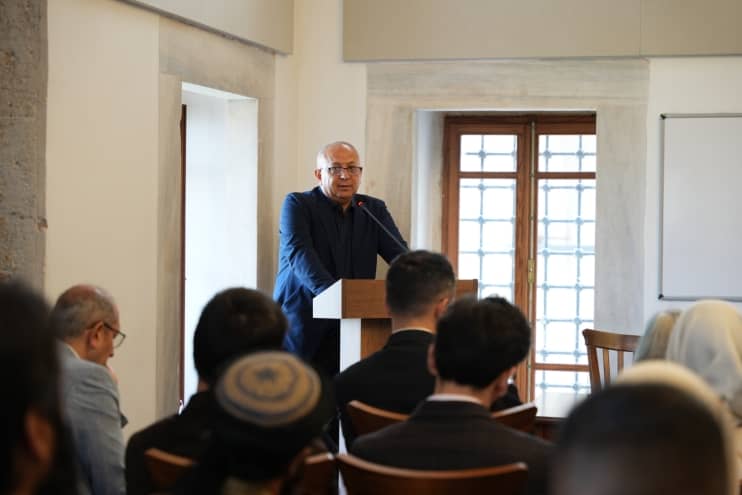
The program featured a keynote address by Prof. Cemil Aydın, Professor of History at the University of North Carolina and Director of the Center for Middle East and Islamic Studies at the same university. His talk, "From Clash to Alliance? The Shared Intellectual and Political History of Civilizational Thought," invited participants to reconsider the entangled histories that have shaped how civilizations are imagined and contested.
Best Presentation Award
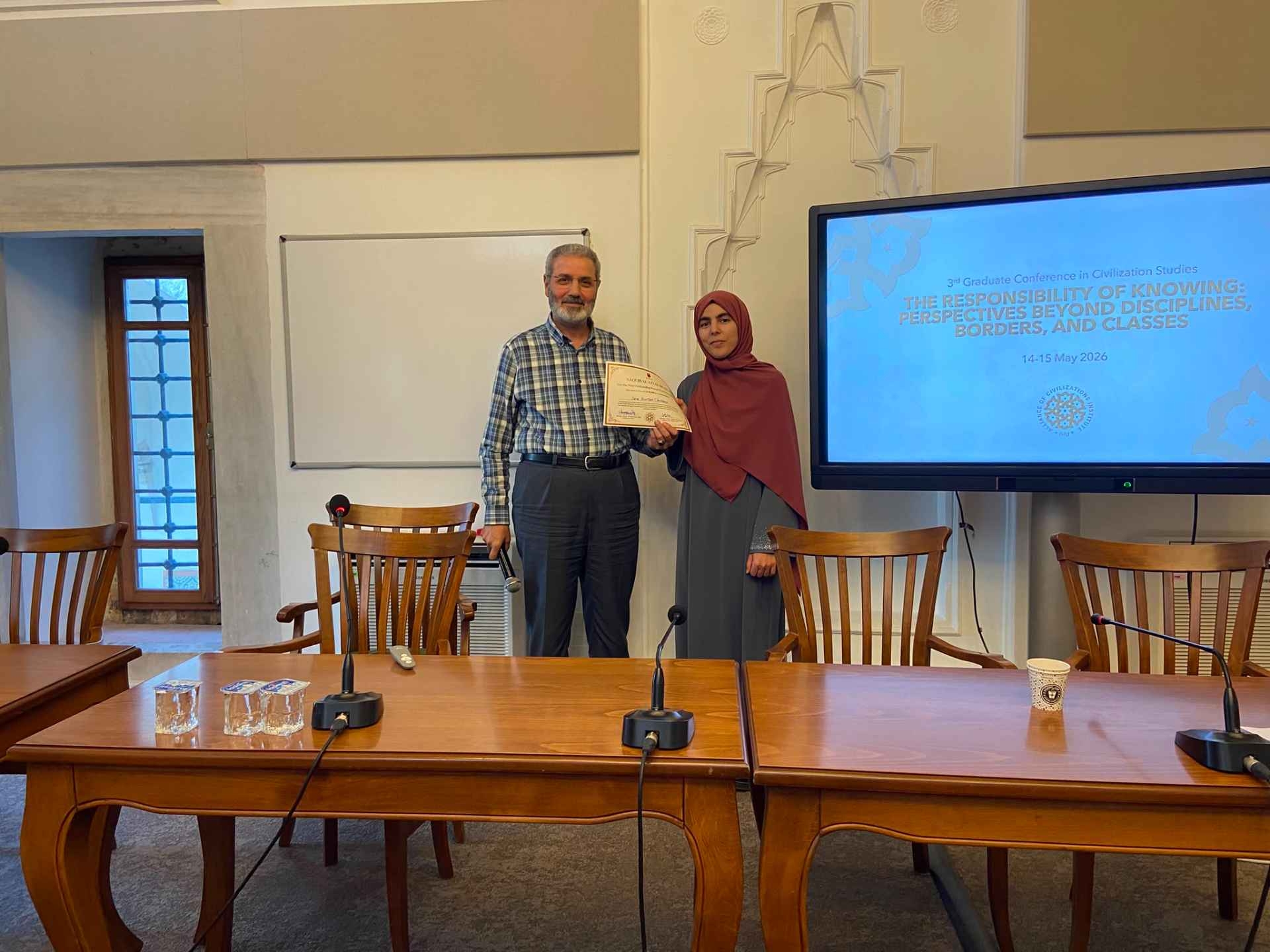
The conference's best presentation award, named in honor of the Syed Muhammad Naquib al-Attas, was presented to Sara Kourtam Chehlaoui, a master's student in East Asian Studies at Universidad Autónoma de Madrid, Spain, for her presentation titled "Twentieth Century Chinese Qur'an Translators and the Construction of a Chinese Nation-state."
Closing Seminar
To close the program, Prof. Kirsten Wesselhoeft of Vassar College, USA, offered a short seminar to the participating students on "Emerging Approaches in the Ethnography of Muslim Life." She reflected on the practice of doing Muslim ethics through ethnographic argument, the search for what has been called a "godly ethnography," an Islamic anthropology, or an "ethnography of God," and the place of constructive Muslim thought within the social sciences.
The two-day conference once again affirmed the Alliance of Civilizations Institute's commitment to fostering a global community of emerging scholars and to taking seriously the responsibilities that accompany the pursuit of knowledge.
Photos
Related Content
2025-2026 Akademik Yılı Türk Öğrenci 1. Başvuru Dönemi Sonuçları

Graduates of the Alliance of Civilizations Institute Received Their Diplomas

Ismail Raci al-Fârûkî was Commemorated at MEDIT on the 40th Anniversary of His Martyrdom
Prof. Cemil Aydın to Delivered a Keynote Address at a Graduate Conference on Civilization Studies
2025-2026 Academic Year Spring Thesis Defenses Schedule

Ethnography as a Resource for Muslim Ethics, within and beyond the Academy

From Clash to Alliance? The Shared Intellectual and Political History of the Civilizational Thought

3rd Graduate Conference in Civilization Studies
