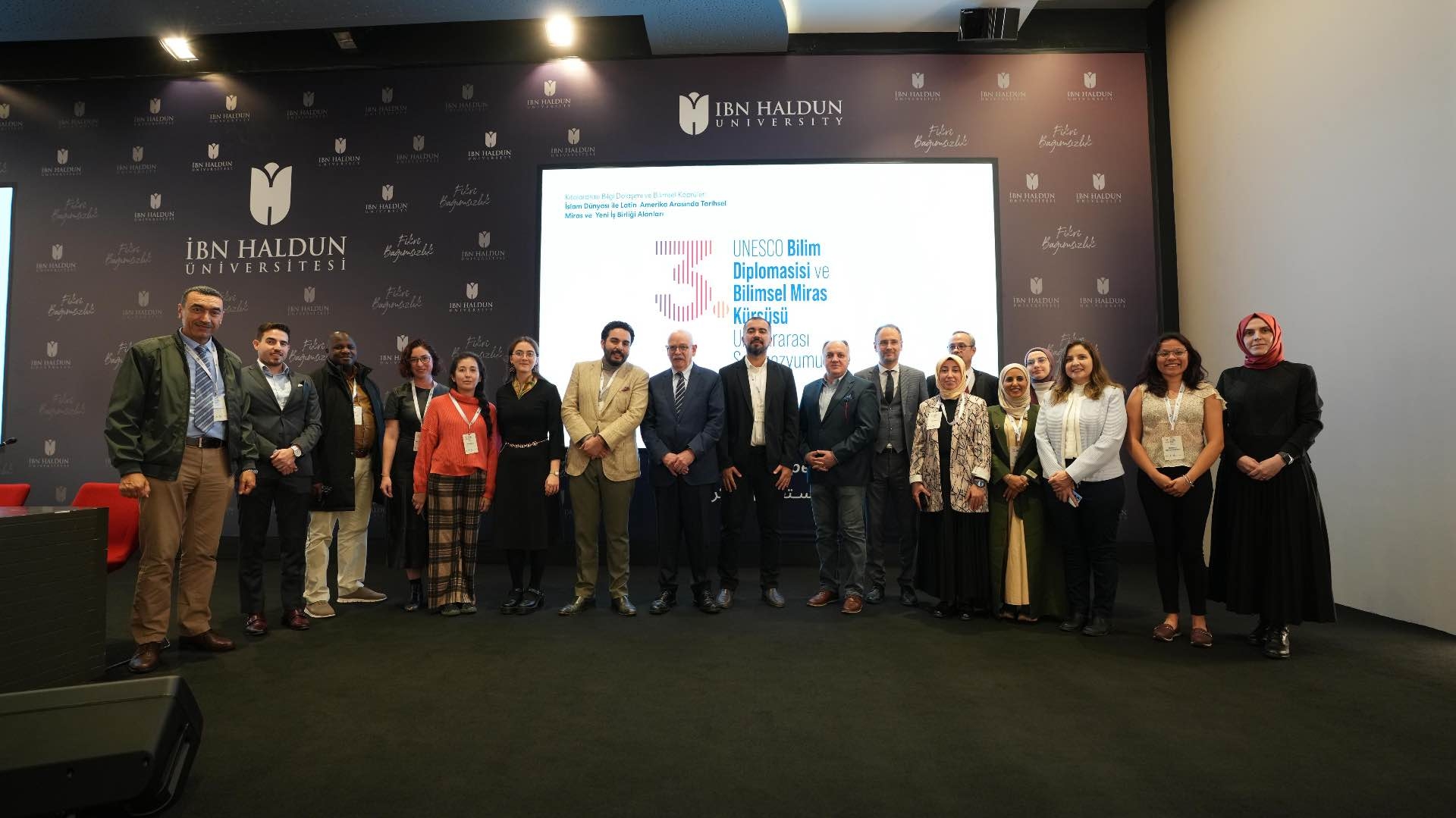
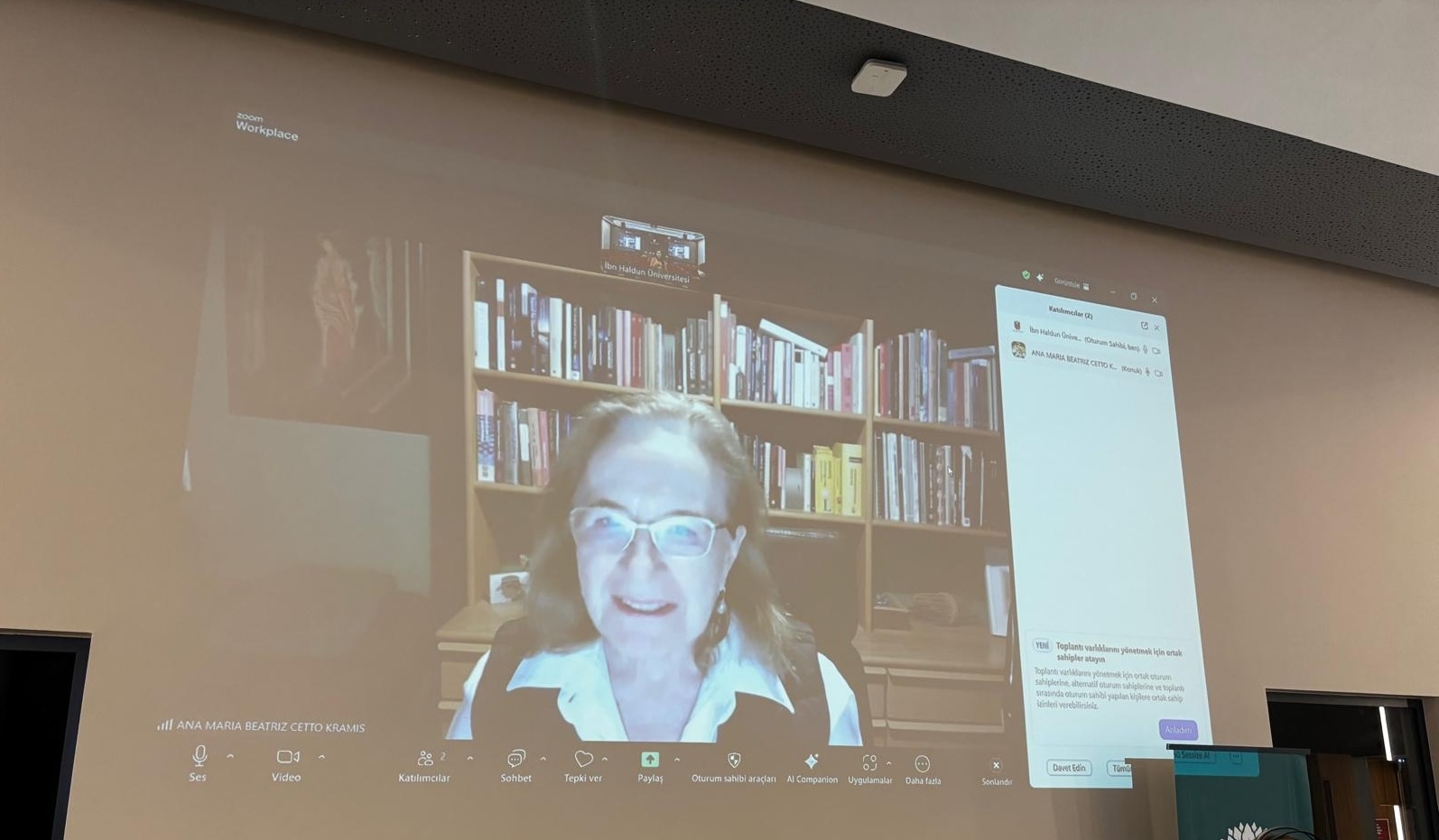
Mexican Scientist Prof. Ana María Cetto Highlights Scientific Diplomacy and Nuclear Transparency at UNESCO Symposium
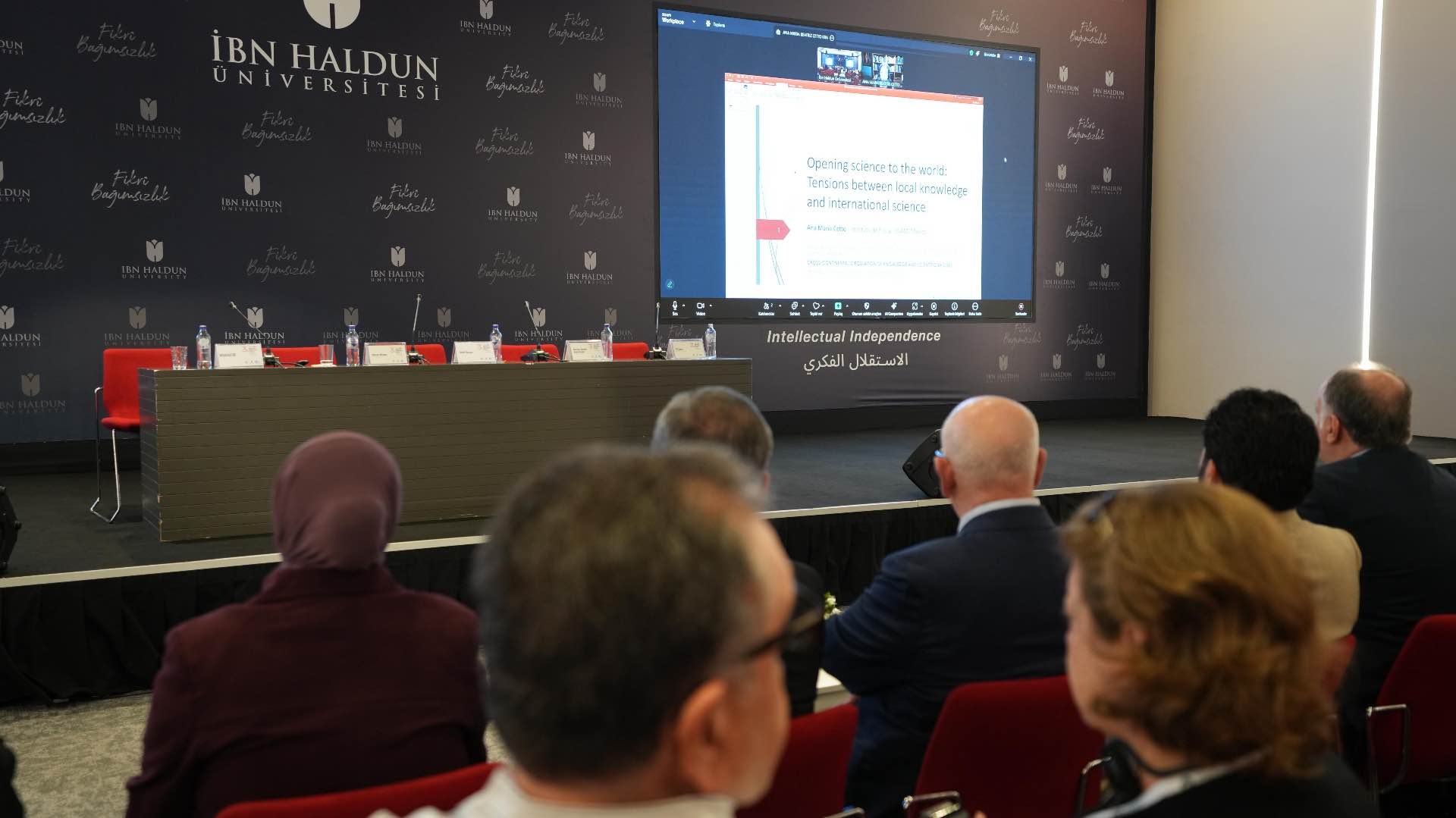
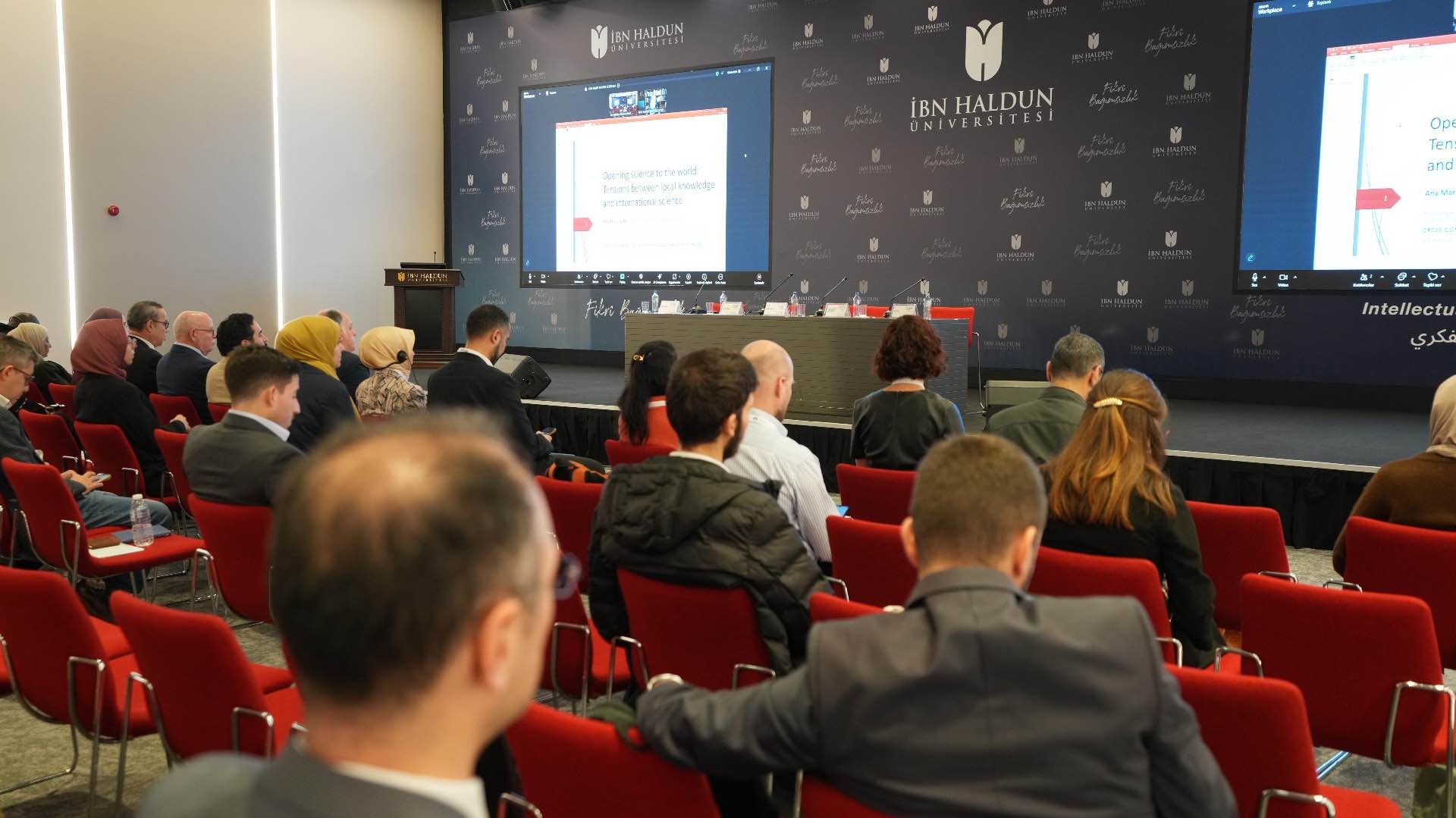
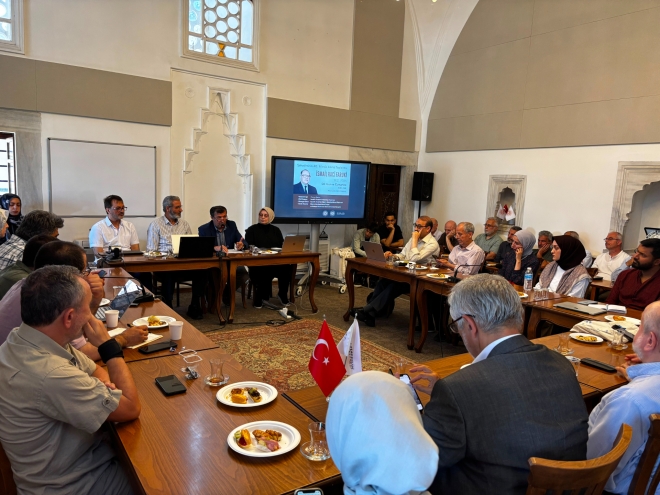
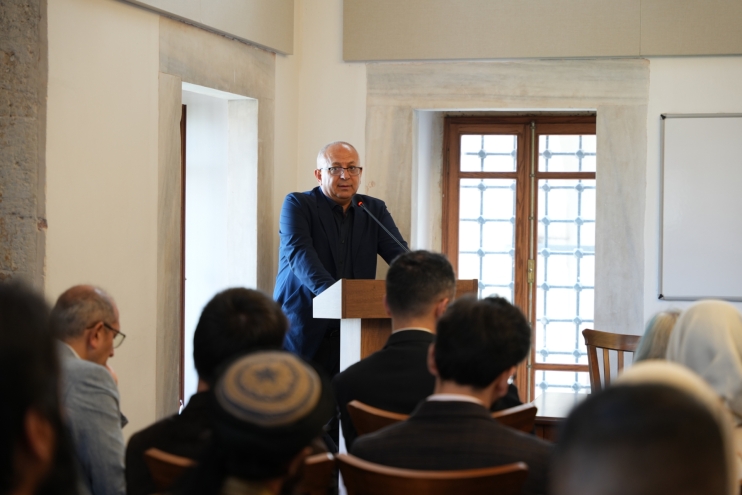
In a powerful keynote address, internationally renowned Mexican scientist Professor Ana María Cetto highlighted the importance of scientific diplomacy and transparency in today’s global context. Delivering a lecture titled “Opening Science to the World: Tensions between Local Knowledge and International Science,” she called for sustained global efforts to promote open science. She further emphasized that international scientific dialogue is indispensable for nuclear security and lasting peace.
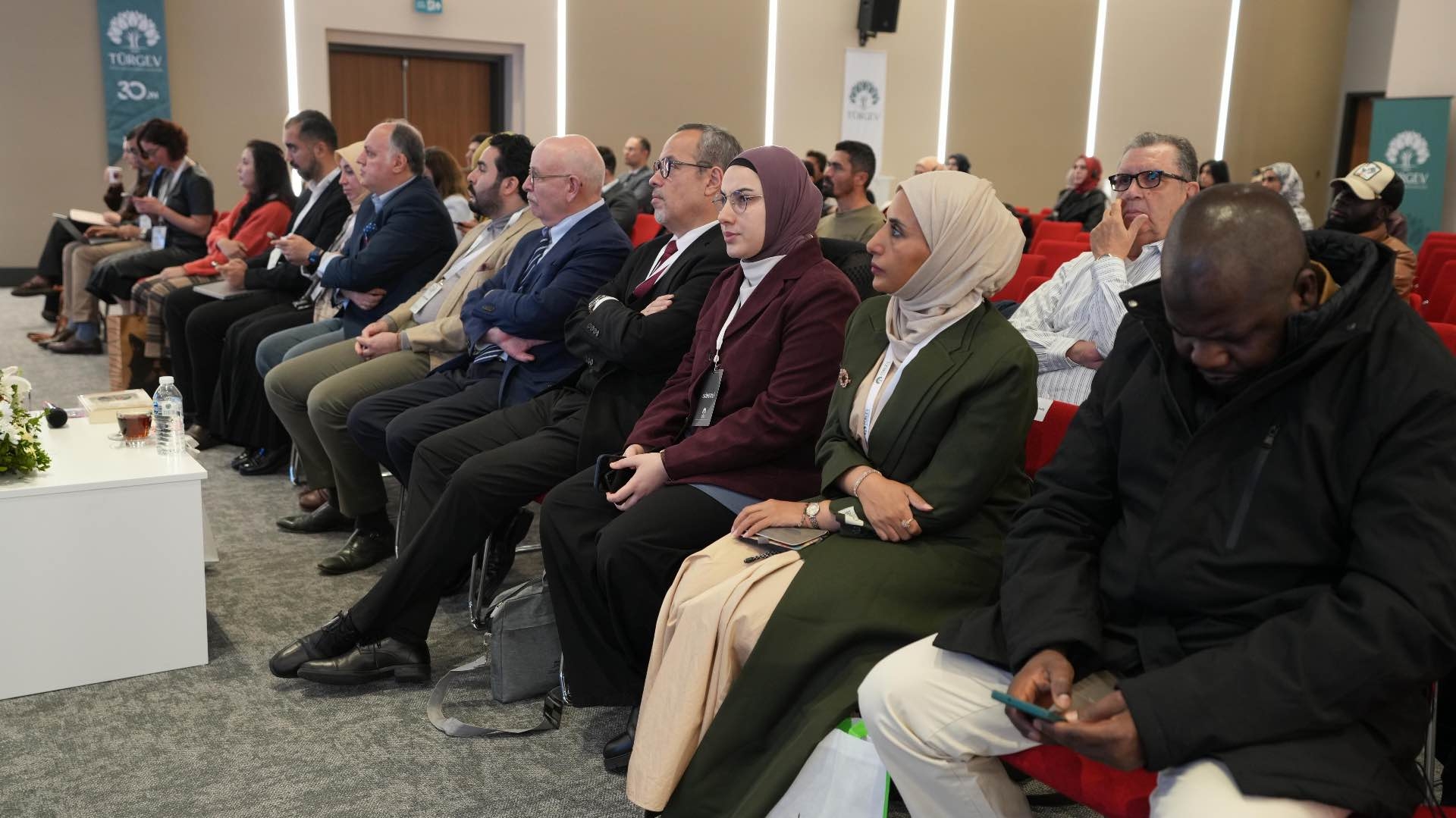
The address took place on the third day of the symposium. Opening remarks were delivered by Alberto Fierro Garza, Consul General of Mexico in Istanbul, who stressed the vital role of dialogue and mutual understanding in addressing global challenges.
Professor Cetto: A Distinguished Career in Global Science Governance
Professor Ana María Cetto is a Mexican physicist internationally recognized for her contributions to the foundations of quantum mechanics and for her commitment to promoting international scientific dialogue. She is currently a Senior Researcher at the Institute of Physics at the National Autonomous University of Mexico (UNAM). Throughout her career, she has played a leading role in global science governance. She served for eight years as Deputy Director General of the International Atomic Energy Agency (IAEA). She held key leadership positions, including Chair of the Pugwash Conferences Executive Committee and Secretary General of the International Council for Science (ICSU). Currently, as President of the UNESCO Open Science Steering Committee, she continues to advance open and inclusive international scientific cooperation.
“Open Science” as an Ongoing Process of Dialogue
Professor Cetto stressed that open science should not be understood as a completed achievement. Instead, she described it as an ongoing process. Referring to the 2021 UNESCO Recommendation on Open Science, she explained that its scope extends far beyond open access to publications and data.
According to Professor Cetto, open science must promote sustained dialogue between scientists and all sectors of society. It aims to open scientific practice to all cultures, traditions, and languages, while ensuring that knowledge remains accessible, reusable, and shared in an atmosphere of transparency, cooperation, and trust.
Openness and Responsibility in the Nuclear Domain
The core of her lecture focused on the urgent issue of openness in the global nuclear environment. Professor Cetto highlighted three landmark open letters that exemplify the ethical responsibility of scientists:
1. The 1925 Open Letter, “Manifesto of the Anti-Fascist Intellectuals,” in which Italian intellectuals articulated early concerns about the social responsibility of science in the face of fascism.
2. Niels Bohr’s 1950 Open Letter to the United Nations warned that excessive secrecy obstructs the free flow of scientifically valuable information and ultimately fuels nuclear escalation.
3. The 1955 Russell–Einstein Manifesto, which alerted humanity to the catastrophic consequences of nuclear war and called for a fundamental transformation of international politics.
She also referred to the joint declaration of the Japanese and German Physical Societies, whose members pledged to refrain from involvement in the development, production, testing, deployment, or use of weapons of mass destruction, including nuclear weapons.
Chairing the UN Scientific Panel on the Consequences of Nuclear War
Professor Cetto drew attention to a major recent international initiative: the establishment of an independent 21-member United Nations Scientific Panel tasked with conducting a comprehensive assessment of the consequences of nuclear war. This initiative was launched under the framework of the 2024 “Pact for the Future.”
She acknowledged the significant challenges facing the panel, particularly those stemming from the lack of scientific openness. These include incomplete historical data due to long-standing secrecy surrounding past nuclear explosions.
To overcome these hurdles, Professor Cetto called for broad international cooperation. She invited the global community to contribute by identifying diverse experts to fill knowledge gaps, providing financial support for research and consultations, and participating in upcoming regional dialogues. Ultimately, she emphasized that scientific evidence must be paired with public awareness to effectively influence political decision-makers.
Scientific Diplomacy for a Shared Future
Professor Cetto concluded by emphasizing that while open letters and declarations are necessary symbolic acts, they are not sufficient on their own. She called for continuous and institutionalized dialogue through scientific diplomacy, urging the inclusion of diverse perspectives shaped by different cultural and historical experiences.
She closed her address by invoking Albert Einstein’s well-known words:
“We cannot solve our problems with the same thinking we used when we created them.”